Tip 01
Assess Your Work Surface
Different floor types — concrete, steel plate, epoxy coating, wet tiles — require different outsole patterns. Identify your primary floor surface before selecting a footwear category.
Practical information on selecting, maintaining, and getting the most from your industrial work footwear in factory and workshop environments.
Practical guidance for choosing and using work footwear effectively in industrial environments.
Different floor types — concrete, steel plate, epoxy coating, wet tiles — require different outsole patterns. Identify your primary floor surface before selecting a footwear category.
Feet naturally expand slightly during a work shift. When sizing industrial footwear, measure or try on shoes in the afternoon or after a period of standing to get a more accurate fit.
Thick moisture-wicking work socks contribute to overall foot comfort in industrial settings. They also affect shoe fit, so wear the socks you'd normally use when sizing footwear.
If your role involves extended daily wear, having two pairs of work footwear and alternating between them allows each pair to recover and dry between uses, extending their service life.
Anti-slip properties reduce as outsole material wears. Periodically check sole depth and grip pattern. Follow your employer's footwear inspection schedule if one exists.
Always follow your organization's footwear requirements and workplace safety standards. Our footwear information is general guidance; employer and site-specific requirements take precedence.
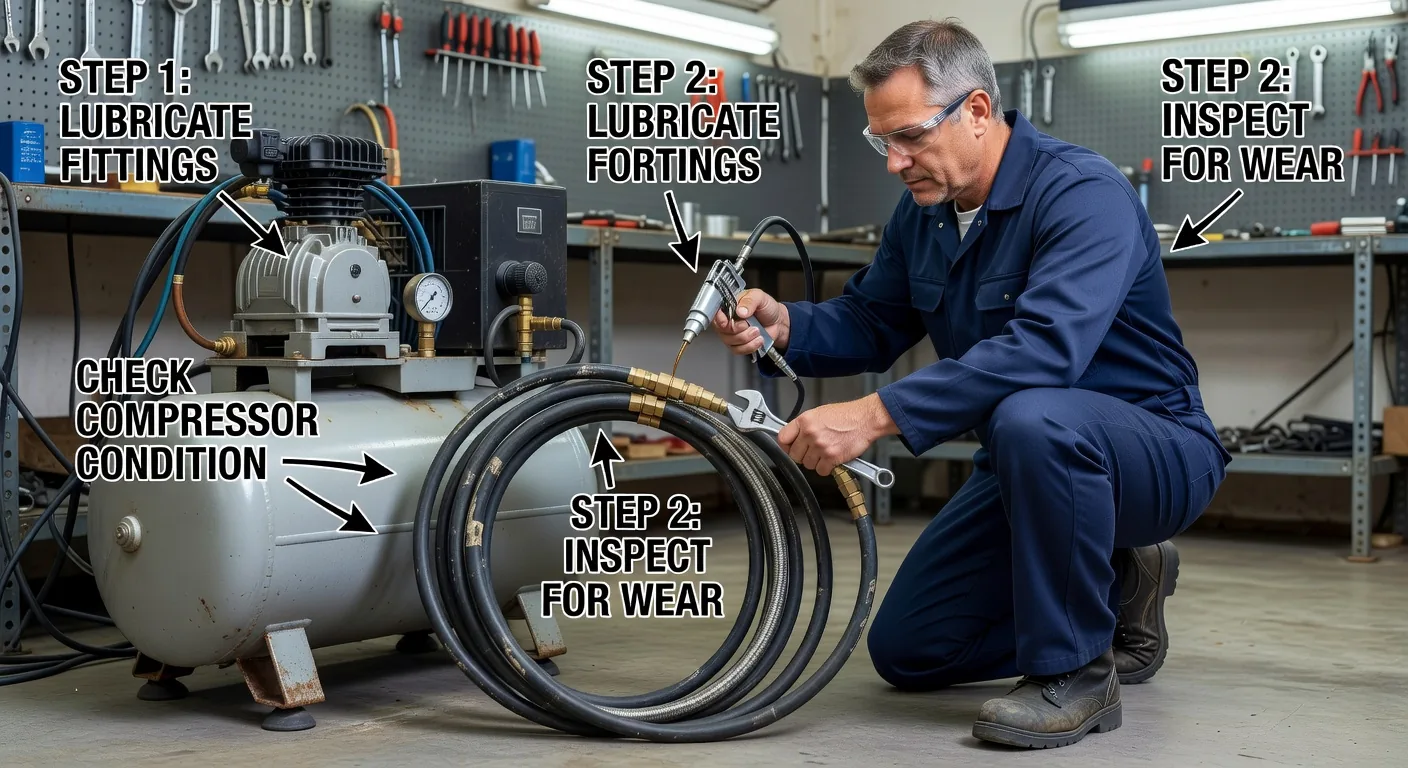
Proper care extends the service life of work footwear and helps maintain the functional properties — grip, structure, and cushioning — over time.
Selecting industrial footwear involves matching shoe properties to your specific role and environment. Here are the main criteria to consider before purchasing.
General recommendations for maintaining foot comfort during industrial work shifts.
New work footwear benefits from a gradual break-in period. Wear new shoes for shorter durations initially before transitioning to full-shift use.
Proper hydration supports overall circulation, which affects how your feet feel during extended standing and walking shifts in industrial environments.
Short foot and ankle stretches during breaks help maintain circulation and reduce accumulated tension during long shifts on hard floors.
Insoles compress with use. Replacing worn insoles maintains the cushioning performance of your footwear between full shoe replacements.
Common questions about our industrial safety footwear, ordering, and policies.